


Sale!
Original price was: $87.00.$43.50Current price is: $43.50.
Sale!
Original price was: $75.00.$37.50Current price is: $37.50.
Sale!
Original price was: $75.00.$37.50Current price is: $37.50.
Sale!
Original price was: $75.00.$37.50Current price is: $37.50.
Sale!
Original price was: $75.00.$37.50Current price is: $37.50.
Sale!
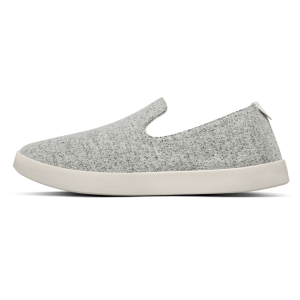
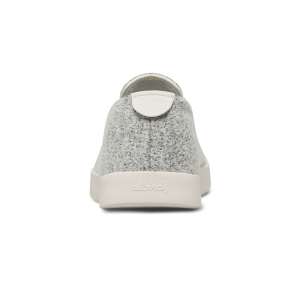
WOMEN
Original price was: $84.00.$42.00Current price is: $42.00.
Sale!
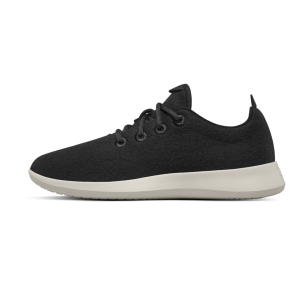
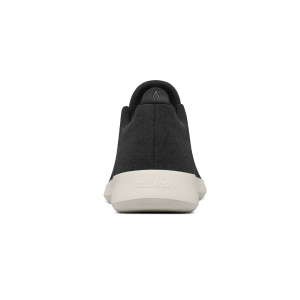
WOMEN
Original price was: $100.00.$50.00Current price is: $50.00.
Sale!
WOMEN
Original price was: $100.00.$50.00Current price is: $50.00.
Sale!
Original price was: $110.00.$55.00Current price is: $55.00.
Sale!
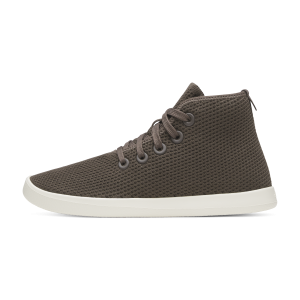
Original price was: $110.00.$55.00Current price is: $55.00.
Sale!
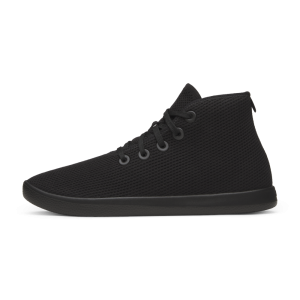
Original price was: $110.00.$55.00Current price is: $55.00.
Sale!
Original price was: $110.00.$55.00Current price is: $55.00.
Sale!
Original price was: $110.00.$55.00Current price is: $55.00.
Sale!
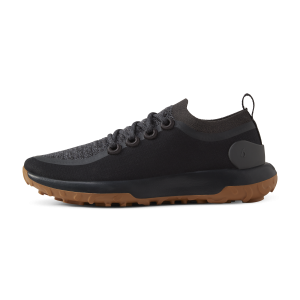
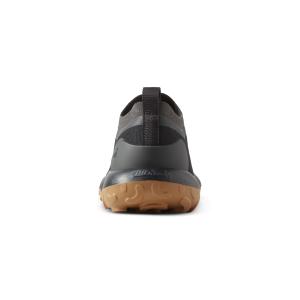
Original price was: $140.00.$70.00Current price is: $70.00.
Sale!
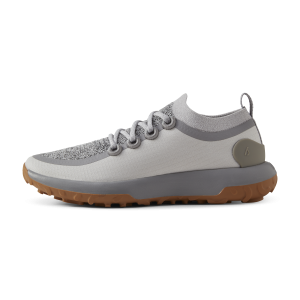
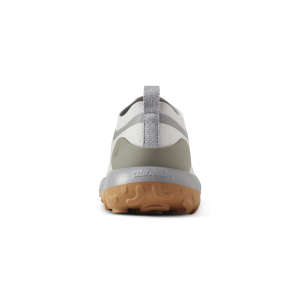
Original price was: $140.00.$70.00Current price is: $70.00.
Sale!
Original price was: $140.00.$70.00Current price is: $70.00.
Sale!
Original price was: $160.00.$80.00Current price is: $80.00.
Sale!
Original price was: $140.00.$70.00Current price is: $70.00.
Sale!
Original price was: $140.00.$70.00Current price is: $70.00.
Sale!
Original price was: $135.00.$67.50Current price is: $67.50.
Sale!
Original price was: $135.00.$67.50Current price is: $67.50.
Sale!
Original price was: $135.00.$67.50Current price is: $67.50.
Sale!
Original price was: $135.00.$67.50Current price is: $67.50.
Sale!
Original price was: $135.00.$67.50Current price is: $67.50.
Sale!
WOMEN
Original price was: $125.00.$62.50Current price is: $62.50.
Sale!
WOMEN
Original price was: $125.00.$62.50Current price is: $62.50.
Sale!
WOMEN
Original price was: $125.00.$62.50Current price is: $62.50.
Sale!
WOMEN
Original price was: $110.00.$55.00Current price is: $55.00.
Sale!
WOMEN
Original price was: $110.00.$55.00Current price is: $55.00.
Sale!
WOMEN
Original price was: $110.00.$55.00Current price is: $55.00.
Sale!
WOMEN
Original price was: $110.00.$55.00Current price is: $55.00.
Sale!
WOMEN
Original price was: $110.00.$55.00Current price is: $55.00.
The Evolution of Performance Engineering in Modern Footwear
The journey of the athletic shoe from a simple rubber-soled canvas wrap to a high-tech masterpiece is a testament to human ingenuity. Today, the focus has shifted from basic protection to active performance enhancement.
The Science of the Midsole
At the heart of every high-performance pair lies the midsole. This is the engine room where energy return meets impact protection. In the past, designers relied on heavy materials that provided cushion but lacked “bounce.” Modern engineering has introduced specialized expanded foams that trap thousands of tiny air bubbles. This structure allows the material to compress under weight and snap back into shape instantly, propelling the wearer forward.
Upper Construction and Breathability
The top portion of the shoe, known as the upper, has undergone a revolution. We have moved away from heavy leather overlays to engineered knits and woven meshes. These materials are designed using computer algorithms to be supportive in specific areas—like the arch and heel—while remaining incredibly flexible and ventilated in others. This “second-skin” feel reduces friction, which is the primary cause of discomfort during long-distance movement.
Outsole Traction and Geometry
The bottom layer isn’t just about grip; it’s about the physics of movement. Engineers now study the gait cycle—the way a foot strikes the ground and rolls forward—to create tread patterns that maximize surface contact. Whether it is a multidirectional pattern for lateral sports or a longitudinal groove for straight-line speed, the geometry of the sole is a critical component of stability.
The Future: Personalized Biomechanics
As we look forward, the trend is moving toward customization. Using 3D scanning and pressure mapping, it is becoming possible to create footwear tailored to an individual’s unique bone structure and movement habits. This level of precision ensures that the gear works in harmony with the body, reducing fatigue and allowing for peak performance.